Step-by-Step Guide To Using An MP3 Converter
Upload Or Select Your File
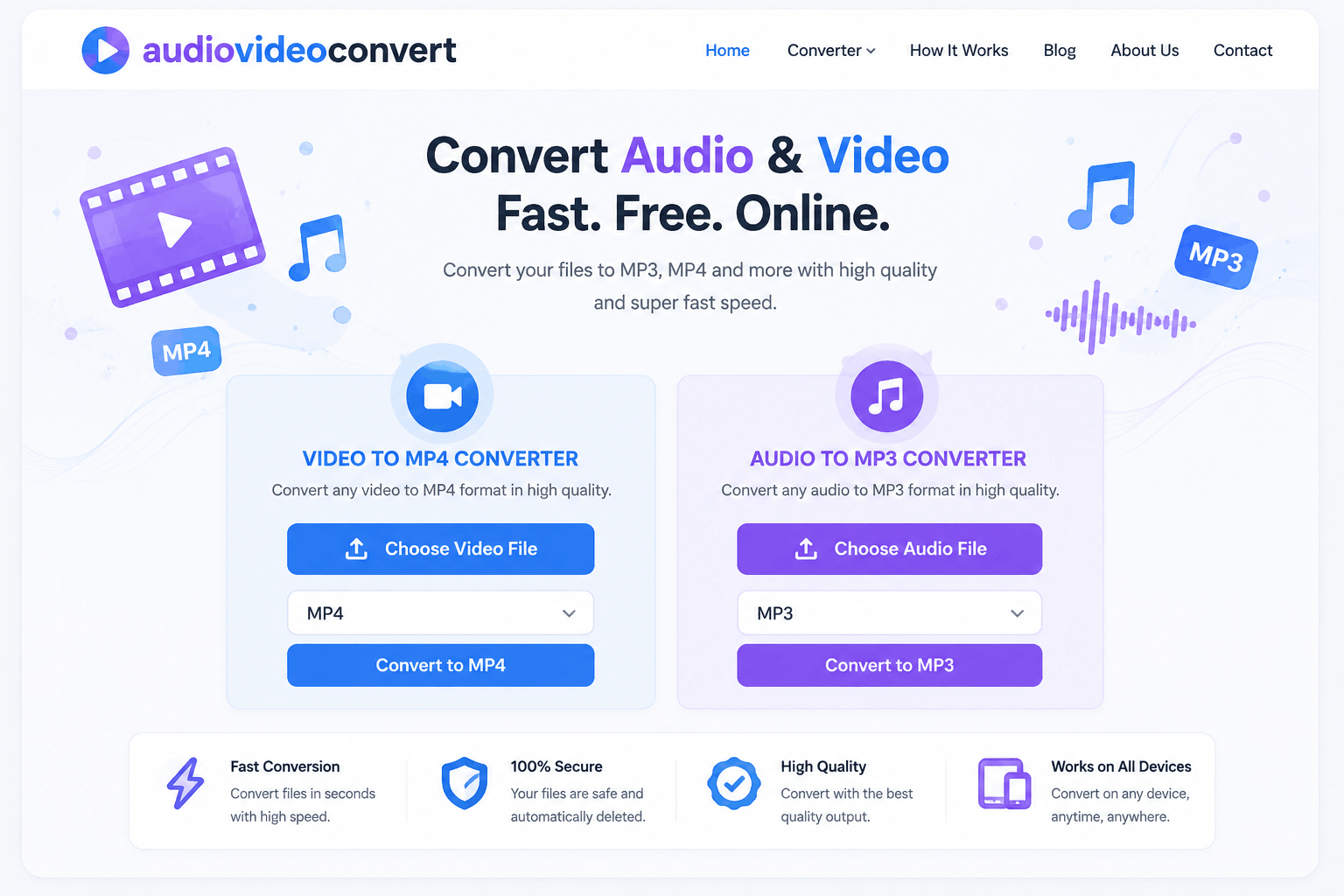
The first step is uploading or selecting the file you want to convert. This can be done by browsing your device storage or dragging and dropping the file into the converter interface.
From experience, a properly selected file ensures smoother processing, especially when dealing with large audio or video files that require stable input handling.
Choose MP3 Format And Start Conversion
After uploading, users choose MP3 as the output format from the available options. This tells the system how to encode the final audio file.
Once selected, the conversion starts automatically or after clicking a button, and within moments the MP3 file is ready for download.
Key Features Of A Good MP3 Converter
Fast Conversion Speed And Simple Interface
Fast conversion speed ensures users don’t wait long for results, even with large files. A simple interface helps users navigate without confusion.
In real-world use, this combination is essential for efficiency, especially when converting multiple files in a short time.
High-Quality Audio Output Options
High-quality output options allow users to control bitrate and maintain clear sound after conversion. This is important for music, podcasts, and professional audio use.
From practical experience, selecting higher bitrate settings ensures better clarity while still keeping file sizes manageable.
MP3 Conversion On Mobile Devices
Using Online Tools On Android Phones
On Android phones, users can access MP3 converters through browsers like Chrome without installing any apps. The interface is usually optimized for mobile screens.
This allows quick conversions on the go, making it convenient for students, creators, and everyday users.
Saving MP3 Files On iPhone Devices
On iPhone devices, converted MP3 files are typically saved in the Files app or browser download folder. Users can easily access them for playback or sharing.
In practice, Safari-based converters automatically prompt downloads, making file saving quick and straightforward without extra steps.
Desktop Methods For MP3 Conversion
Windows-Based Conversion Tools
Windows users can rely on both installed software and browser-based converters for MP3 conversion. These tools support drag-and-drop functionality and quick format selection.
In practical use, Windows platforms handle large files efficiently, especially when using optimized converters designed for audio encoding tasks.
Mac-Compatible Audio Conversion Options
Mac users can access MP3 conversion through dedicated apps or online tools that run smoothly on Safari and other browsers. These solutions are simple yet powerful.
From experience, Mac systems handle high-quality audio processing well, making them suitable for both casual and professional conversion workflows.
Audio Quality Considerations
Choosing The Right Bitrate For MP3 Files
Bitrate determines how much audio data is preserved during conversion. Higher bitrates deliver better quality, while lower ones reduce file size.
In real-world usage, 192 kbps is often a balanced choice for everyday listening, while 320 kbps is preferred for high-quality music playback.
Maintaining Clear Sound During Conversion
Maintaining clear sound requires avoiding excessive compression and selecting reliable conversion tools. Poor settings can lead to distortion or loss of detail.
From experience, using high-quality source files and stable converters helps preserve original audio clarity even after MP3 compression.
MP3 Converter: What It Is And How It Works
Understanding File Format Conversion
File format conversion refers to changing one media type into another, such as WAV or MP4 into MP3. This process restructures the audio data into a standardized format compatible with most devices.
From practical experience, this is especially useful when handling mixed media libraries, as it simplifies playback and reduces compatibility issues across platforms.

How Audio Extraction From Videos Happens
Audio extraction works by separating the sound layer from a video file and converting it into a standalone audio format like MP3. This removes visual data while keeping the audio intact.
In real usage, this is commonly used for saving music, lectures, or dialogues from videos for offline listening.
Benefits Of Using An MP3 Converter
Save Storage Space And Improve Accessibility
MP3 files are compressed, which means they take up less space compared to raw audio formats. This is ideal for users with limited device storage.
At the same time, smaller files are easier to transfer, upload, and access across multiple platforms without performance issues.
Play Audio Easily On Any Device
MP3 is a universally supported format, meaning it works on smartphones, laptops, car systems, and media players without additional software.
This makes it one of the most practical formats for users who want smooth playback anywhere without compatibility concerns.
How To Use An MP3 Converter Step By Step
Upload Your File And Select MP3 Format
The first step is uploading your audio or video file into the converter. Users can drag and drop files or browse from their device storage.
After uploading, selecting MP3 as the output format tells the system how to process and encode the file.
Download And Save The Converted Audio File
Once conversion is complete, the system generates a download link for the MP3 file. Users can then save it directly to their device.
From experience, most modern converters complete this step quickly, making it easy to access audio files instantly after processing.
Safety Tips For MP3 Converters
Avoiding Fake Or Malicious Websites
Fake MP3 converter websites often display misleading download buttons, pop-ups, or hidden malware. These sites can compromise both your device and personal data.
From practical experience, sticking to well-known platforms and checking secure HTTPS connections helps reduce the risk of unsafe downloads or harmful scripts.
Protecting Your Files And Privacy
Protecting your files means choosing converters that automatically delete uploaded data after conversion. This prevents long-term storage of sensitive content.
Trusted tools also avoid sharing user data with third parties, ensuring your audio files remain private throughout the conversion process.
Common Issues And Troubleshooting
Fixing Unsupported File Errors
Unsupported file errors usually occur when the uploaded format is not recognized by the converter. This often happens with rare or corrupted files.
To fix this, users can convert the file into a more common format first or ensure the file is not damaged before uploading again.
Resolving Slow Or Failed Conversions
Slow or failed conversions are often caused by large file sizes, weak internet connections, or overloaded servers. These factors interrupt processing.
In most cases, retrying the conversion, switching browsers, or using a stable network connection resolves the issue quickly and restores normal performance.