How to Download Audio For YouTube A Complete Beginner’s Guide
Downloading audio from videos on YouTube has become a common practice for users who want offline listening convenience. Whether it’s music, podcasts, lectures, or tutorials, extracting audio allows you to focus only on sound without streaming full video data.
For beginners, the process generally involves copying a video link, using an audio extraction tool, and saving the file in a supported format like MP3 or AAC. Most modern tools are browser-based, so no installation is required, making the process fast and accessible for everyone.
Understanding Different Audio Formats Available
YouTube audio can typically be converted into formats like MP3, AAC, and sometimes WAV. MP3 is the most widely supported because it balances file size and quality, while AAC often delivers slightly better sound at similar bitrates.
Choosing the right format depends on your device compatibility and listening needs. Mobile users usually prefer MP3 due to universal support, while advanced users may opt for AAC for clearer audio fidelity.
When Downloading Audio Can Be Useful
Downloading audio is especially helpful for offline learning, commuting, or saving mobile data. Students often extract lecture audio, while professionals may save webinars or interviews for later review.
It also helps in situations where video playback is unnecessary, allowing faster access and smoother playback on low-storage or low-network devices.
Best Methods to Download Audio From YouTube
There are several ways to extract audio from YouTube videos, ranging from simple online tools to advanced desktop software. Each method offers different levels of control, speed, and output quality.
Online tools are usually the easiest option for beginners, while dedicated software provides more customization like batch downloads and higher bitrate control.
Using Online Audio Download Tools
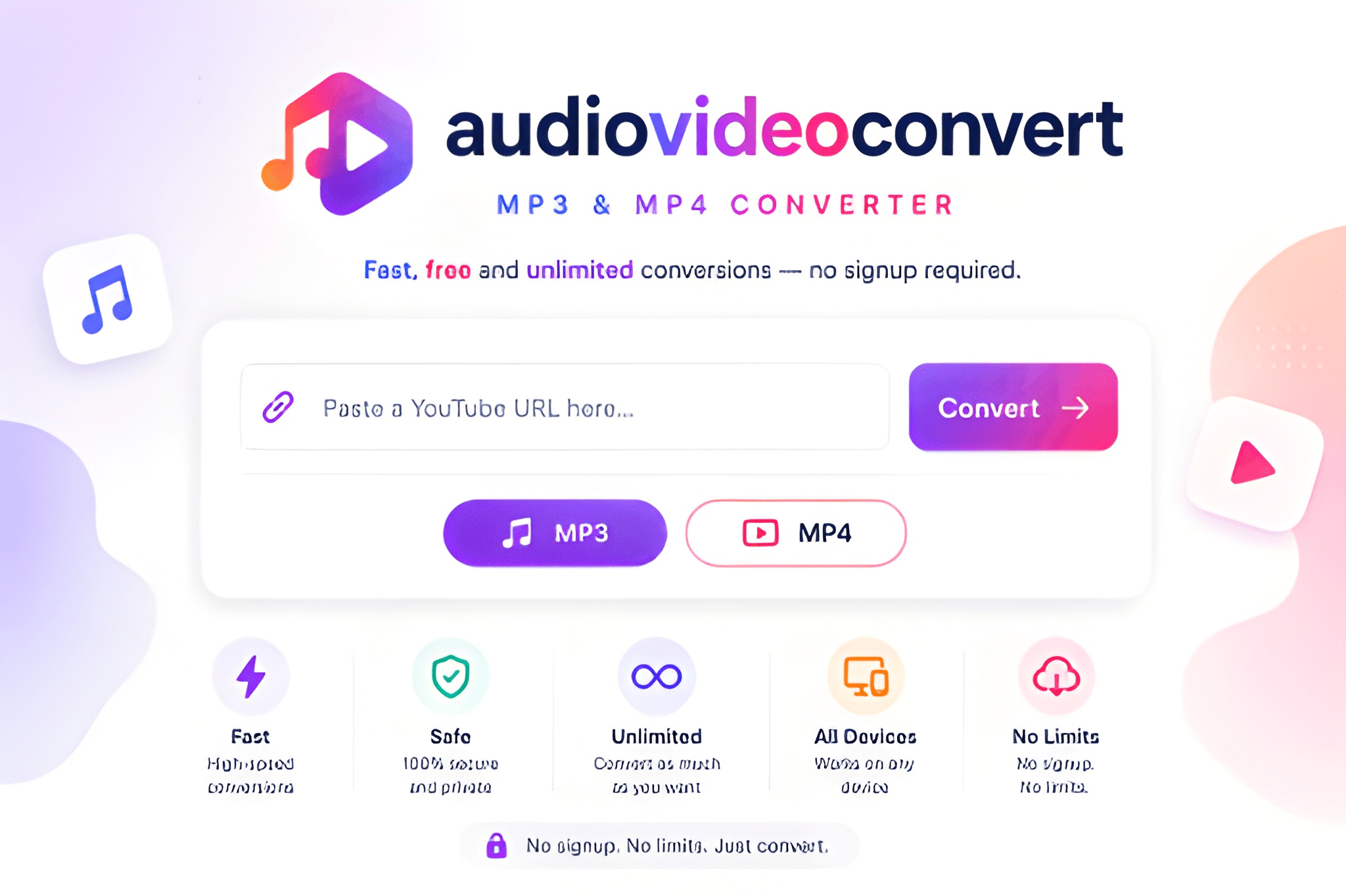
Online downloaders work directly in your browser. You paste the video URL, select the audio format, and download the file instantly without installing anything.
These tools are popular because they are quick and device-independent, though some may include ads or limit high-quality exports depending on the service.
Downloading Audio With Dedicated Software
Dedicated software gives more control over conversion settings and often supports higher-quality extraction. Users can manage multiple downloads and adjust audio bitrate settings.
This method is preferred by frequent users who regularly download content and want stable performance without browser interruptions.
Step-by-Step Guide to Extract Audio From YouTube Videos
The process of extracting audio from YouTube is straightforward when broken into simple steps. It usually takes only a few minutes from start to finish.
Most tools follow the same pattern: copy, paste, convert, and download. Once you understand this workflow, it becomes easy to repeat for any video.
Finding the Video URL
First, open the video on YouTube and copy the URL from the browser address bar or share button. This link is required for all audio extraction tools.
Make sure the URL is complete and valid, as incomplete links can cause conversion errors or failed downloads.
Converting and Saving the Audio File
After pasting the link into a converter, select your preferred audio format and quality level. The tool then processes the video and extracts the audio track.
Once conversion is complete, click download to save the file to your device storage for offline use.
Choosing the Right Audio Format for Your Needs
Selecting the correct audio format impacts both quality and file size. Different formats serve different purposes depending on your device and listening preferences.
MP3 remains the most common choice due to its compatibility, while AAC is often used for better compression efficiency.
MP3 vs AAC: Key Differences Explained
MP3 is universally supported across all devices, making it ideal for general use. It offers good quality with relatively small file sizes.
AAC, however, delivers better sound quality at similar bitrates and is commonly used in modern streaming platforms and Apple devices.
How Audio Quality Affects Listening Experience
Higher audio quality improves clarity, especially for music and spoken content. Low bitrate files may sound compressed or distorted.
Choosing a higher quality setting ensures better listening experience but increases file size, which may affect storage capacity.
Tips for Getting the Best Audio Quality From YouTube Videos
Audio quality depends heavily on the source video uploaded to YouTube. A high-quality source results in a clearer extracted audio file.
Using the right settings during conversion also ensures minimal loss of sound clarity and better overall output.
Selecting High-Quality Source Videos
Always choose videos uploaded in HD or high bitrate formats, as these contain cleaner audio tracks. Poor-quality uploads cannot be improved during conversion.
Checking video resolution and creator quality helps ensure the best possible audio extraction results.
Avoiding Common Audio Download Mistakes
Avoid using low-quality converters that compress audio heavily or add unnecessary noise. These tools reduce listening clarity significantly.
Also, avoid selecting extremely low bitrate options unless file size is a major concern.
How to Download YouTube Audio on Mobile Devices
Mobile devices make audio downloading convenient, especially for users who want offline access while traveling or commuting.
Both Android and iOS platforms support browser-based tools without requiring complex setups.
Options for Android Users
On Android, users can open a browser, paste the YouTube link, and download audio directly to the Downloads folder.
Files can then be accessed through the music player or file manager easily.
Options for iPhone and iPad Users
On iPhone and iPad, users typically save audio files using Safari and the “Save to Files” option.
Downloaded audio can then be played through compatible apps or file storage systems.
How to Download YouTube Audio on Desktop Computers
Desktop systems provide the most stable environment for downloading and managing audio files due to better processing power and storage options.
Both Windows and Mac users can rely on browser tools or dedicated software.
Methods for Windows Users
On Windows systems, users can use any modern browser to access audio converters and save files directly to local storage.
Downloaded files can then be organized in folders or added to media players.
Methods for Mac Users
Mac users follow a similar process using Safari or Chrome. Files are usually saved in the Downloads folder and can be moved to Music libraries.
macOS also supports advanced audio tools for users needing higher-quality conversions.
Common Problems When Downloading Audio From YouTube
Sometimes users face issues like failed downloads, slow conversions, or poor audio output when using online tools from YouTube.
These issues are usually caused by unstable internet, incorrect URLs, or low-quality converters.
Fixing Download Errors
If a download fails, refreshing the page or re-pasting the URL usually resolves the issue. Ensuring a stable internet connection is also important.
Using a different converter can help if the tool is temporarily overloaded.
Resolving Audio Playback Issues
Playback problems often occur due to unsupported formats or corrupted files. Converting the file again in MP3 format usually fixes the issue.
Updating your media player can also improve compatibility.
Organizing and Managing Downloaded Audio Files
Once audio files are downloaded, organizing them properly helps maintain easy access and better file management.
Creating structured folders ensures you can quickly locate music, lectures, or podcasts when needed.
Creating Playlists and Folders
Grouping audio files into playlists or folders based on categories improves usability and listening experience.
For example, separating music, study material, and podcasts keeps everything well organized.
Backing Up Your Audio Collection
Backing up files to cloud storage or external drives prevents data loss and ensures long-term access.
Regular backups are recommended for users who download audio frequently.
Conclusion
Downloading audio from YouTube is now a simple process using online tools, software, or mobile browsers. By selecting the right format and quality, users can enjoy smooth offline listening anytime, anywhere.
Whether you are saving music, lectures, or podcasts, following proper steps ensures better sound quality and fewer errors. Always use reliable tools and high-quality sources for the best results.
FAQs
1. Is it safe to download audio from YouTube?
Yes, it is safe if you use trusted tools, but always ensure compliance with copyright rules and platform policies.
2. What is the best format for YouTube audio downloads?
MP3 is the most common and widely compatible format, while AAC offers slightly better audio quality.
3. Can I download YouTube audio on mobile?
Yes, both Android and iPhone users can download audio using browser-based tools or apps.
4. Why is my audio quality low after downloading?
Low quality usually comes from poor source videos or low bitrate settings during conversion.
5. Do I need to install software to download YouTube audio?
No, many online tools allow you to convert and download audio directly in your browser.